Introduction
Humans design for humans
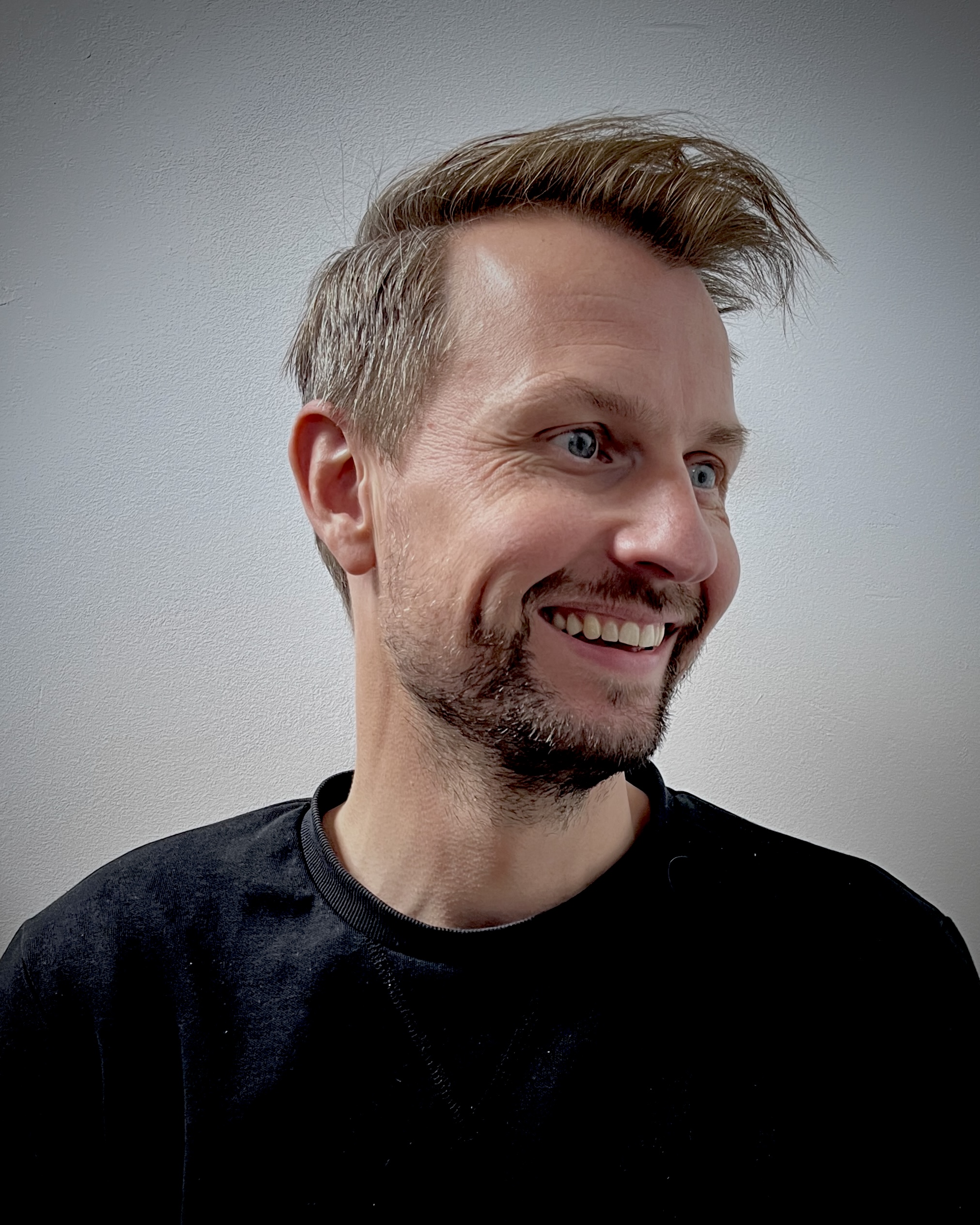
I started my career as a psychologist. Not a therapist, an assessment psychologist. My job was measuring how people think and function. Testing whether people and roles were a good match, and writing reports about it.
Turns out understanding people and actually helping them are two different jobs. Assessment psychology was interesting, but it was focused entirely on observation. I missed making things. Designing things. I lost some sleep over it, but eventually moved to London, studied Information Design, got a job at a web agency, and started building instead of observing.
For a while I kept the psychology quiet. I was already the career-switcher trying to prove I belonged. The last thing I needed was to sound like I was still a psychologist. So I kept quiet and learned the design vocabulary instead.
Then project after project, the thing I was hiding became the thing that helped. Because every design problem I touched turned out to be a people problem.
You see it once you know where to look. A sign-up flow is not a flow, it’s anxiety management. People silently ask: is this worth it, will this take long, will I regret this? A good flow answers those questions before they become friction. An error message is not a message, it’s a moment of blame. One sentence decides whether someone keeps going or gives up. Even a button label is psychology. “Delete” feels different from “Remove.” Words don’t just describe actions, they create feelings, and feelings drive behavior more than we like to admit.
Every screen makes assumptions about attention, memory, motivation, and fear. The only question is whether those assumptions are informed or accidental.
But there’s a layer most designers skip. The psychology of the designer. We like to think we design from logic and data. We don’t. We design through ourselves, through our fears, our ego, our impatience, our need to look smart. We defend our first idea. We confuse personal taste for user truth. We add complexity when users need clarity. And once those forces enter the product, they harden. They become UI, requirements, politics. Your product inherits your psychology whether you intend it or not.
Here’s the thing though. Designers and users are not opposites. We are the same kind of creature. We all carry bias, avoid effort, resist change, and rationalize decisions we already made emotionally. The designer is not a rational expert making choices for an irrational user. We are both just people, operating with the same flawed, fascinating hardware.
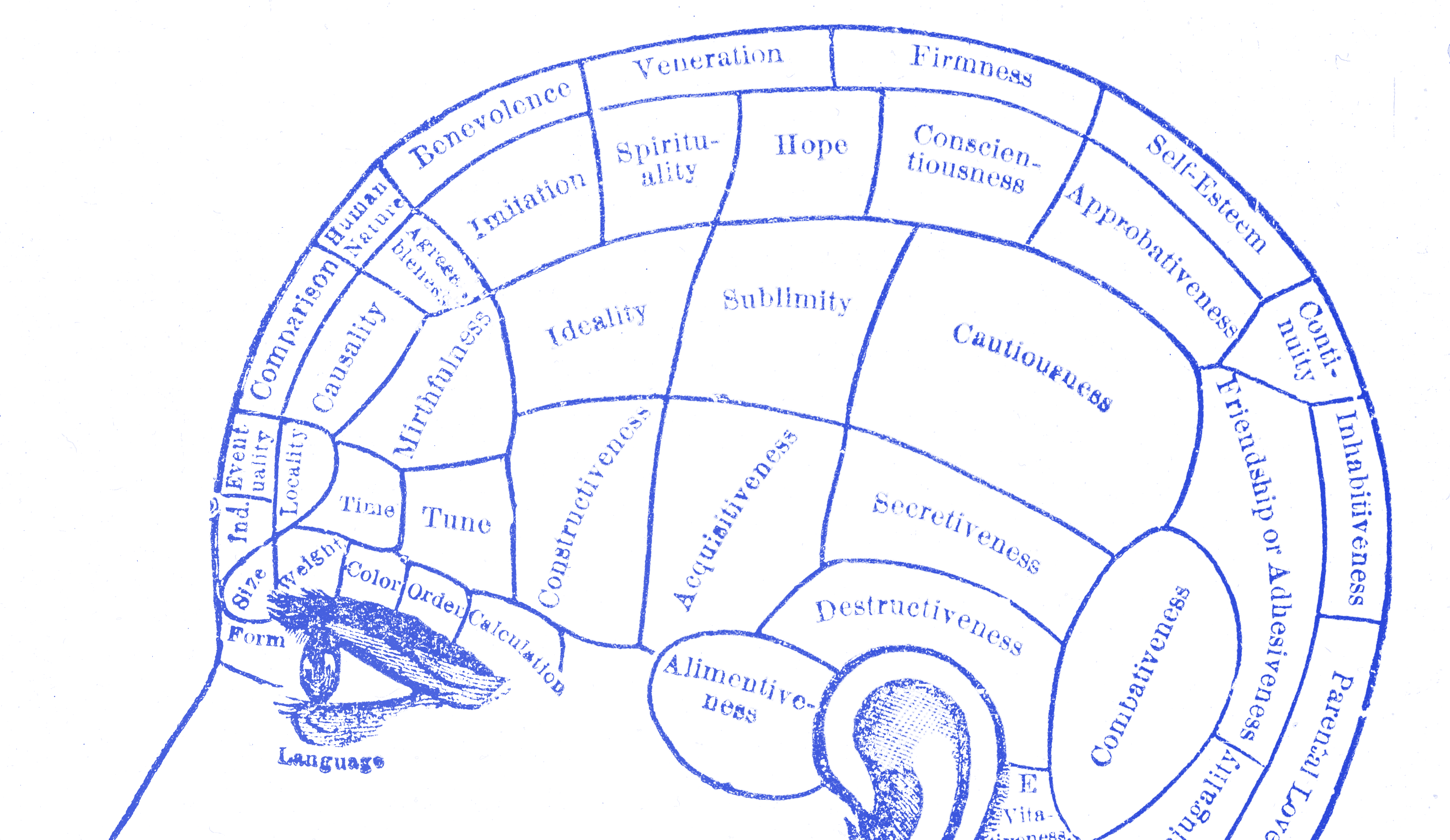
That’s what this book is about. It maps the psychology underneath design, the user’s mind and the designer’s mind, because both shape what gets built and whether it works. Not as theory. As real forces operating on real screens, every day.