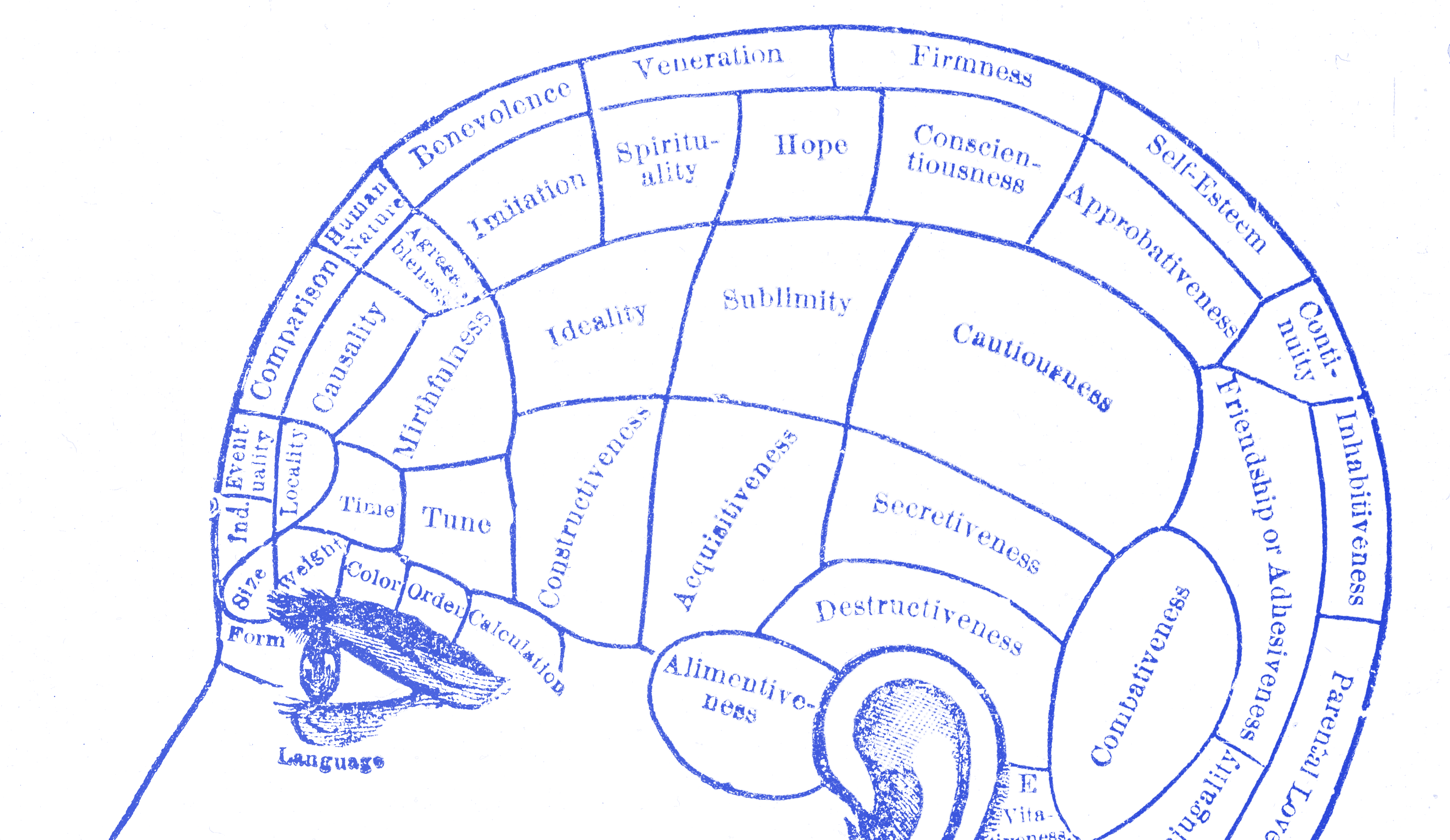
Defaults Are Decisions
How layout, framing, and defaults silently steer behavior

TL;DR:
The moment you decide which option comes pre-checked, which plan gets highlighted, which button sits on the left, you've already voted. Your defaults are not neutral—they're arguments with preferred conclusions.
You think you’re presenting a neutral choice. You’re not. The moment you decide which option comes pre-checked, which plan gets highlighted in the pricing table, which button sits on the left, you’ve already voted. The design is not a display of options. It’s an argument with a preferred conclusion. Most designers never name this. They treat defaults as technical details, placeholder states, things to sort out later. But your users won’t be sorting anything out. They’ll just click whatever is already selected.
The weight of doing nothing
Here’s the thing about defaults: they don’t feel like decisions to the person on the receiving end. That’s the whole point. A default says “this is the normal thing, the expected thing, the thing most people do.” It borrows authority from whoever set it up. Users read it as a recommendation, even when you intended it as a neutral starting point, even when you had no intention at all and just copied the settings from the previous version. Amos Tversky and Daniel Kahneman showed this in 1981, in research that still makes designers shift in their seat. They gave participants identical scenarios framed two different ways. “200 people will be saved” and “400 people will die” describe the same outcome. People chose differently based on how the choice sat on the page. The frame changed the decision. Not the facts. Your default is a frame. It tells people what the expected state looks like, what the baseline is, what it means to choose the other thing. In 2003, Eric Johnson and Daniel Goldstein published a short paper in Science comparing organ donation rates across European countries. Countries where citizens had to opt in to become donors had rates between 4 and 28 percent. Countries where donation was the default, and opting out required active registration, had rates from 86 to nearly 100 percent. Same populations. Same general attitude toward donation. As Johnson and Goldstein wrote, “making a decision often involves effort, whereas accepting the default is effortless.” The default didn’t reveal what people valued. It revealed which direction required work. Three forces drive this, and they stack. People read defaults as implicit recommendations from whoever set them. Changing a default takes effort, and effort has a cost most people won’t pay for something they’re not sure they want. And because of loss aversion, the current state feels safer than any alternative, even when the alternatives are equivalent. The result is that the default position shapes what users actually do far more than the content surrounding it.
95% of a market, one checkbox at a time
In the 1990s, Microsoft shipped Internet Explorer on every Windows machine in the world. By 2003, IE held 95 percent of browser market share. Not because it was the best browser. Not because users compared options and chose it. Because it was already there. Changing it meant knowing alternatives existed, finding them, downloading them, and making a fresh decision. Almost no one did. When Firefox launched in 2004 and Chrome followed in 2008, both needed serious campaigns to pull users away from the default Microsoft had set years earlier. The default wasn’t just a setting. It was the market. You don’t need Windows to get this effect. You get it any time you put an option in a checkbox that’s already checked. Any time you set one pricing plan as “recommended.” Any time you sequence form fields in a way that makes one path more natural than the others. The psychology is identical. The numbers just change.
The choice you didn’t know you made
Designers tend to think about cognitive load as a problem of too much information on screen. But defaults are a cognitive load problem too, just a quieter one. Every time a user faces a real choice, they spend mental effort: reading, comparing, deciding. A default removes that cost. It says “here is the answer, act only if you disagree.” For routine, low-stakes choices, that’s good design. It saves people from tedious micro-decisions they don’t care about. For choices where your interests and the user’s interests pull in different directions, it’s something else. Pre-checked marketing opt-ins. Subscription tiers set to the most expensive plan. Privacy settings that open at maximum data sharing. Cookie consent flows where “accept all” takes one tap and “manage preferences” opens a maze. None of these feel like design decisions when you’re building them. They feel like defaults. But each one is a choice with real consequences for a real person who never noticed they were choosing. Thaler and Sunstein, in their 2008 book Nudge, put it plainly: every choice environment has an architecture, and architects can’t avoid building it. There is no neutral arrangement. Putting the salad first in a cafeteria line changes what people eat. Putting the opt-in box pre-checked changes what people agree to. The only question is whether you’re shaping that architecture with your eyes open or with your eyes closed.
The Default Audit
Before you ship any screen, do this one thing. Name every default on it. Pre-checked boxes, pre-filled fields, the highlighted pricing tier, the primary button, the order of items in a dropdown, the state the page opens in. For each one, ask: if a user touches nothing and just hits continue, where do they end up? Then ask: does that outcome serve them, or does it serve you? Defaults are good design when they reflect what most users actually want, when they save people from choices they’ve already made elsewhere, when they reduce friction on a path the user genuinely wants to take. If your form asks for a country and 80 percent of your users are in Germany, defaulting to Germany is a service. If your settings screen opens with full data sharing enabled and buries the controls three screens deep, that is not. If you trace every do-nothing path through your product and those paths consistently produce outcomes that favor you over the user, you’ve been designing for yourself. That wasn’t accidental. It was the choice you made when you picked the default.
What the button already decided
Every default is a vote. You cast it when you built the screen. The user either accepts it or spends effort to override it, and most will accept it — most of the time, under normal conditions, when people are tired and distracted and not thinking carefully about whether the checkbox was already ticked. The right question at every design review isn’t “did we make this clear?” It’s “who does this default serve when no one is paying attention?” Most of your users won’t be.