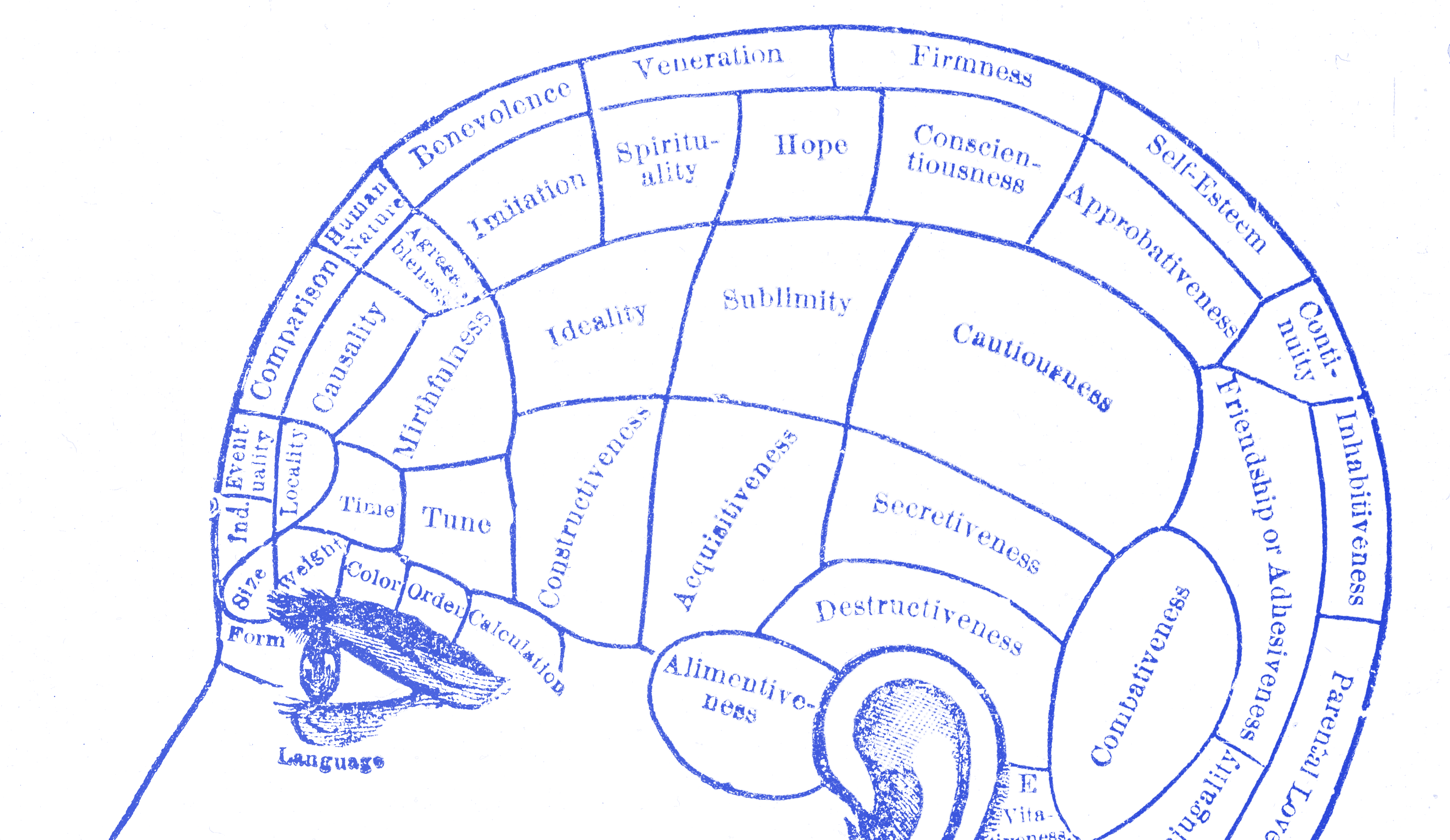
Intuition Is Learned
Why "intuitive design" is really pattern recognition shaped by schemas and experience
TL;DR:
When you call something intuitive, you're describing a feeling you have, not describing the design. Users call designs intuitive when they match schemas built from every other product they've used. Intuition is just memory dressed as judgment.
“This is intuitive.” Say it in a design review and the room relaxes. Someone nods. The conversation moves on. The word functions like a verdict: the design is working, the logic is sound, we can stop questioning it. Designers use it without thinking, and almost nobody stops to ask what it means. That is the problem. When you call something intuitive, you are describing a feeling you have. You are not describing the design. Those two things are much further apart than most designers want to admit.
How memory builds what we call intuition
In 1932, Frederic Bartlett gave British participants a Native American folk tale called The War of the Ghosts and asked them to recall it later. They could not. Not with any fidelity. They remembered a story, but not the one he gave them. References to spirits disappeared. Cultural details they did not understand got replaced with things that made sense to them. In one version, a character’s motivation shifted from following tribal duty to caring for an elderly mother. The story transformed to fit what the participants already knew about how stories work. Bartlett called the organizing structures in our minds schemas. When you encounter something new, your brain does not store it raw. It filters it through existing schemas and reconstructs it to fit what you already know. You remember the version that makes sense to you, not the version that happened. This is not a flaw. It is how understanding works. And it is the same thing that happens when a user touches your interface for the first time. Working memory is tiny. Research puts its capacity at around four items at once, and information starts dropping out within seconds if you are not refreshing it. Every unfamiliar element in an interface lands there on its own and competes for the same limited space. That is why new things feel hard. It is not low intelligence. It is cognitive architecture. Schemas are the brain’s answer to that problem. A schema is a structure stored in long-term memory that bundles many related elements into a single retrievable package. Once a pattern has been learned well enough, the whole thing arrives in working memory as one unit. No effort. No friction. John Sweller, who built cognitive load theory out of decades of research, described schemas as “sophisticated structures that permit us to perceive, think, and solve problems,” because they route around the working memory bottleneck rather than fighting through it. The feeling that results from schema retrieval is what we call intuition. It is not a property of the design. It is a report from memory.
The pilot and the chess master
Consider an experienced commercial pilot in a modern cockpit. Hundreds of switches, gauges, dials, buttons, and warning lights cover every surface within reach. By any objective measure, this is one of the most complex interfaces a human being operates. And yet a trained pilot does not find it overwhelming. They read instrument clusters in seconds. Their hands move without conscious calculation. A first-day student sitting in the same seat is lost inside thirty seconds. The cockpit has not changed. What is different is that the pilot has spent thousands of hours building schemas for every cluster of instruments, every procedural sequence, every failure pattern. The information arrives as pre-packaged wholes. The student is processing each unfamiliar thing from scratch in a space that holds four items at a time. Gary Klein spent years watching firefighters, paramedics, and military commanders make decisions under pressure. Traditional theory said experts should generate options, compare them, and pick the best one. Klein found they do not do that. A fire commander arrives at a building and knows where to position trucks and send crews without comparing alternatives. As Klein put it, their experience let them identify a reasonable reaction as the first one they considered, so they did not bother thinking of others. Chase and Simon confirmed the same mechanism in chess. Grandmasters reconstructed a real board position from memory after five seconds of exposure. Place the same pieces in a meaningless arrangement and the grandmaster performs no better than a beginner. The schemas fire on meaningful patterns. Without the pattern, the advantage disappears. The mechanism is the same in every domain. Expertise is accumulated schema. Intuition is what schema retrieval feels like from the inside.
When the icon meant nothing
When the hamburger menu, three horizontal lines stacked in a corner, spread through mobile apps in the early 2010s, designers called it intuitive. It was clean. It was consistent. It was everywhere. Nielsen Norman Group ran a study in 2016 with 179 participants across six live websites and the results were not ambiguous: hiding navigation behind the icon cut discoverability by close to half, increased task time, and made tasks feel harder on both mobile and desktop. Users who had not built the schema did not see the icon as something to tap. It registered as decoration. The hamburger became workable only through mass adoption. Enough products used it long enough that enough users built the association. Even now, after all that, visible navigation outperforms it by every metric the study measured. The schema was never universal. There are always users encountering it fresh. Designers who called it intuitive in 2012 were describing their own familiarity, not a property of the icon. The icon communicated nothing to someone who had not learned it. Your users arrive at your interface with schemas built from every other product they have used before yours. When your design matches those schemas, they call it intuitive. When it does not, they call it confusing. You did not create intuition. You either aligned with learned patterns or you violated them.
What to do with this
Stop defending design choices by calling them intuitive. The word is doing no work. What you mean is recognizable, and recognizable is earned through repeated exposure across many products, not granted by a design decision you made last Tuesday. Before you ship something you are calling intuitive, put it in front of someone who has never seen your product and watch in silence. No prompting. No explaining. Watch where they look first. Notice what they try to click. Every confused pause is a schema mismatch. Every wrong tap is an expectation your design violated. That silence is the most honest feedback you will get in the whole process, and most designers skip it because they already know the design is intuitive. They know it because they built it.
What a first-time user experiences is the truth. What you experienced while designing was memory dressed as judgment.